More people today earn money from outside their country. Freelancers, remote workers, digital creators, and online business owners often receive payments in dollars, euros, pounds, or other foreign currencies.
But earning in foreign currency is only part of the story. The real question is:
How much will you actually receive in your local currency?
Exchange rates change daily. Payment platforms charge fees. Banks add conversion margins. If you are not careful, you may lose more money than you expect.
In this guide, you will learn:
How foreign income conversion works
How exchange rates affect your earnings
Hidden fees to watch out for
How to calculate your real payout
How to choose the best time to convert
By the end of this article, you will know exactly how to protect your earnings and convert money wisely.
Step 1: Understand the Exchange Rate You Are Using
Before converting any foreign income, the first thing you must understand is the exchange rate being applied.
Many people make the mistake of assuming that the rate shown on Google is the exact rate they will receive. In reality, the rate used by your payment platform or bank may be different.
There are usually three types of rates involved:
- The official or interbank rate
- The platform’s exchange rate
- The rate after fees and margins
The official rate is the general market rate. This is what most online currency converters display.
However, platforms like PayPal, Payoneer, Wise, or banks often apply their own conversion rate. This rate may include a hidden margin, meaning it is slightly lower than the official market rate.
For example:
If the market rate is 1 USD = 1,500 NGN
Your platform might convert at 1 USD = 1,460 NGN
That difference of 40 naira per dollar can add up significantly if you are converting large amounts.
This is why you should always:
Check the live market rate
Compare it with the rate offered by your platform
Calculate the difference
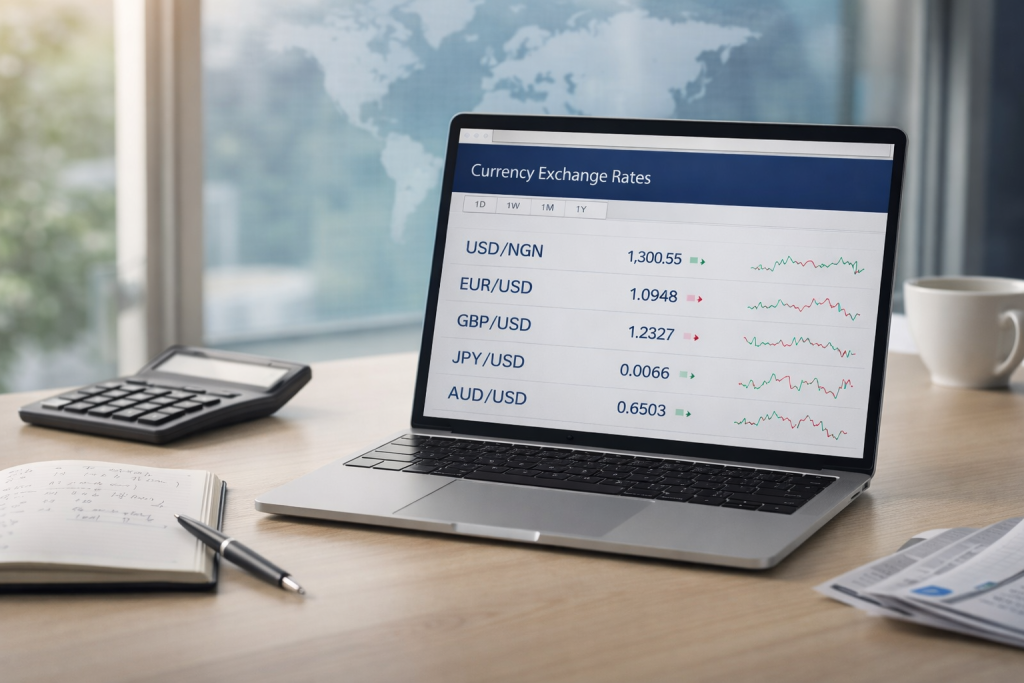
Using a reliable currency converter helps you know the current market rate before you initiate a withdrawal.
Next, let’s look at how to calculate what you will actually receive after conversion.
Step 2: Calculate What You Will Actually Receive
Once you know the exchange rate your platform is using, the next step is to calculate your real payout.
Let’s use a simple example.
Assume you earned 1,000 USD from freelance work.
The market rate is:
1 USD = 1,500 NGN
But your payment platform converts at:
1 USD = 1,460 NGN
Now multiply:
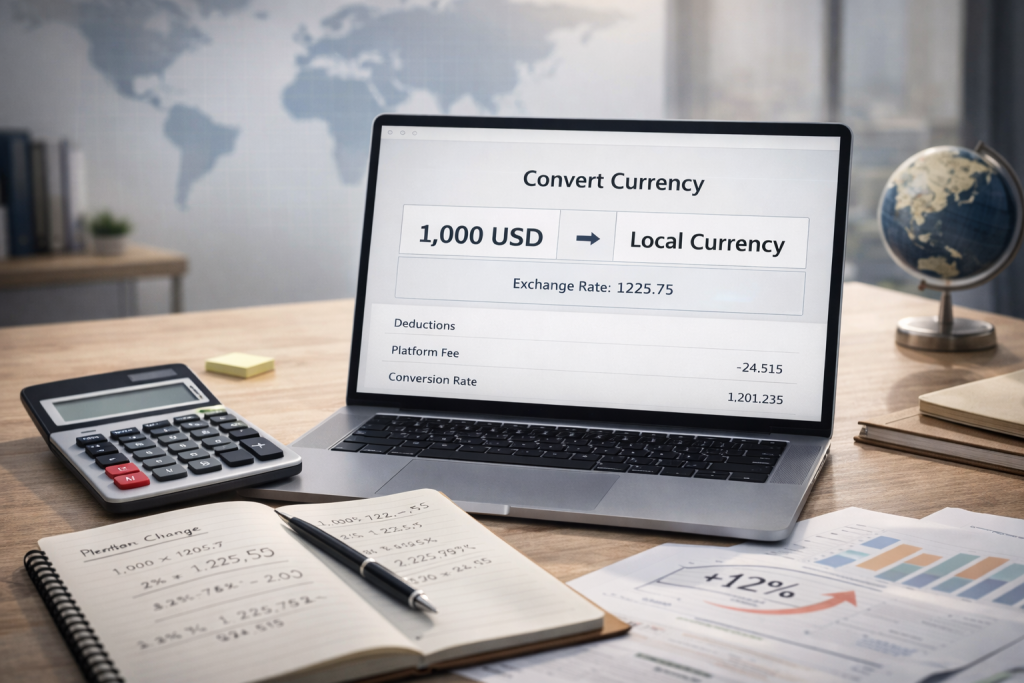
1,000 × 1,460 = 1,460,000 NGN
If the market rate had been used, you would receive:
1,000 × 1,500 = 1,500,000 NGN
That is a difference of 40,000 NGN.
Now imagine you earn 5,000 USD or 10,000 USD. The difference becomes much larger.
But we are not done yet. Many platforms also charge withdrawal fees.
For example:
Withdrawal fee = 20 USD
That means you are converting only 980 USD, not 1,000 USD.
980 × 1,460 = 1,430,800 NGN
This is your actual payout.
To avoid confusion:
Always subtract fees first
Then apply the exchange rate
Then calculate the final amount
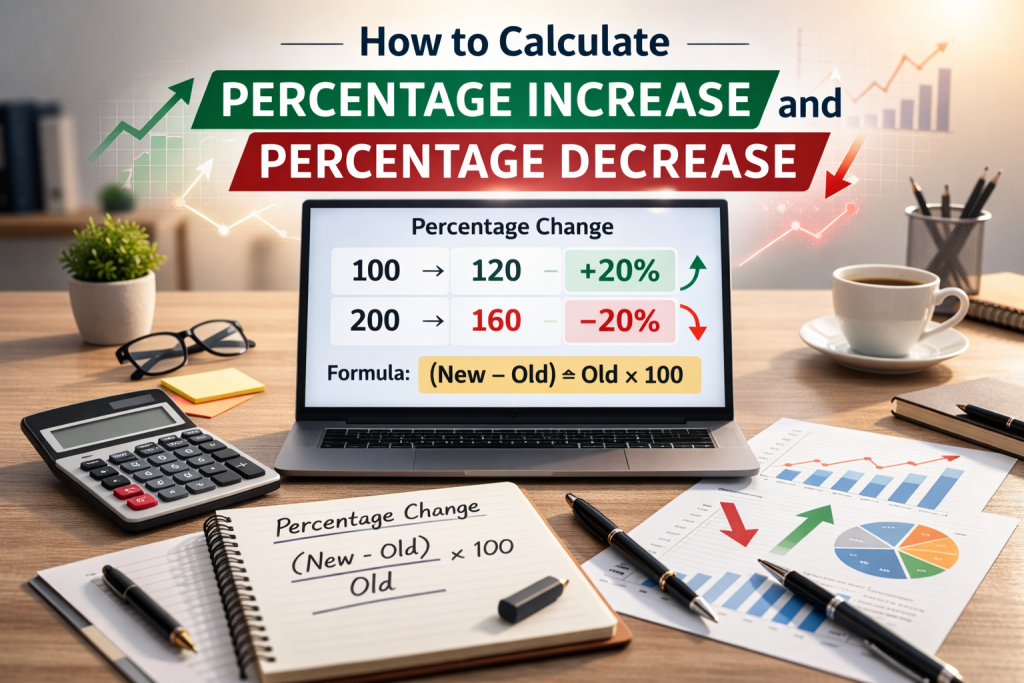
If you want to estimate quickly, use a currency converter for the exchange rate and a percentage calculator to measure how much you lose due to lower rates or fees.
Next, we will look at hidden fees that many freelancers overlook.
Step 3: Watch Out for Hidden Fees
Many freelancers focus only on the exchange rate and forget about hidden charges. These small fees can reduce your income more than you realize.
Here are common fees you should look out for.
1. Currency Conversion Margin
Some platforms advertise “low fees” but make money by slightly reducing the exchange rate. This is called a margin.
For example, if the real market rate is 1,500 but your platform gives you 1,460, that 40 difference is part of their profit.
It may not look like much, but over time it adds up.
2. Withdrawal Fees
Some platforms charge a fixed fee when you withdraw funds.
For example:
10 USD per withdrawal
20 USD per bank transfer
If you withdraw frequently, these fees reduce your earnings significantly.
3. Receiving Fees
Certain platforms deduct a percentage when you receive money.
For example:
2% receiving fee
3% transaction fee
If you receive 1,000 USD and the fee is 3%, you lose 30 USD before conversion even begins.
4. Bank Charges
Your local bank may also charge additional fees when processing international transfers.
Always check:
Platform fee
Exchange rate margin
Bank processing fee
When you add all of them together, the total cost can be larger than expected.
The smart approach is to calculate everything before initiating a withdrawal.
Next, let’s look at how to decide the best time to convert your foreign income.
Practical Advice for Freelancers and Remote Workers
If you earn in foreign currency, managing your conversion strategy properly can protect your income over time.
First, choose the right payment platform. Compare exchange rates, transaction fees, and withdrawal charges before deciding where to receive your payments. A small difference in fees can make a large impact over months or years.
Second, avoid withdrawing very small amounts too often. If there is a fixed withdrawal fee, frequent small transfers will reduce your earnings more than fewer larger withdrawals.
Third, track your effective rate. After every withdrawal, calculate how much you actually received per dollar or euro. Compare it with the market rate. This helps you understand the real cost of conversion.
Fourth, consider diversifying how you hold funds. Some freelancers keep part of their earnings in foreign currency if they expect the rate to improve. Others convert immediately to avoid risk. The right approach depends on your financial situation and risk tolerance.
Finally, always plan ahead. If you know you have upcoming expenses, monitor exchange rates in advance instead of waiting until the last minute.
Managing foreign income wisely is not just about earning more. It is about keeping more of what you earn.
Final Thoughts
Earning in foreign currency can be a great advantage, especially if your local currency is weaker. However, exchange rates and fees can significantly affect how much money you actually receive.
By understanding:
How exchange rates work
How to calculate your real payout
How to identify hidden fees
How to choose the right time to convert
You can make smarter financial decisions.
Instead of guessing your payout, use reliable tools to calculate accurately. A currency converter helps you check current rates, while a percentage calculator helps you measure gains or losses.
When you combine knowledge with the right tools, you take control of your income instead of losing money to hidden costs.