You have probably heard people say, “Things are more expensive now than before.” That is inflation.
Inflation means the general increase in prices over time. When inflation rises, the same amount of money buys fewer goods and services than it did before.
For example, if something cost 5,000 last year and now costs 6,000, inflation has occurred. Your money has lost some purchasing power.
Understanding inflation is important because it affects:
Your savings
Your salary
Your investments
Exchange rates
Interest rates
Loan repayments
In this guide, we will explain inflation in a simple way. You will learn what causes inflation, how it is measured, and how it affects your everyday financial decisions.
What Is Inflation in Simple Terms?
Inflation simply means that prices are going up over time.
When inflation happens, your money does not stretch as far as it used to. In other words, you need more money to buy the same things.
Let’s look at a simple example.
Imagine you could buy a bag of rice for 20,000 last year. This year, the same bag costs 24,000. The price has increased. That increase is inflation.
Now think about your salary. If your income stays the same while prices rise, you can afford fewer goods and services. This is how inflation reduces purchasing power.
Purchasing power means how much your money can buy. When inflation rises, purchasing power falls.
Inflation does not usually happen overnight. It builds gradually over time. But if inflation rises too quickly, it can create serious economic problems.
Now that you understand what inflation is, let’s look at why inflation happens in the first place.
What Causes Inflation?
Inflation does not happen by accident. It is usually caused by changes in supply and demand within an economy. There are three main types of inflation that economists often talk about.
1. Demand-Pull Inflation
This happens when demand for goods and services is higher than supply.
If many people want to buy the same product but there is not enough available, sellers may raise prices. When this happens across many products and services, overall prices increase.
For example, if more people have money to spend and start buying more cars, food, electronics, and housing, prices may rise because demand is strong.
2. Cost-Push Inflation
This happens when the cost of producing goods increases.
If the price of fuel rises, transportation becomes more expensive. When electricity costs increase, factories spend more to produce goods. Businesses often pass these higher costs to customers by raising prices.
For example, if the cost of importing raw materials increases because of exchange rate changes, finished products may become more expensive.
3. Monetary Inflation
This happens when there is too much money circulating in the economy.
If a central bank prints too much money without matching economic growth, more money chases the same amount of goods. When that happens, prices rise.
This is why governments and central banks carefully manage money supply.
Inflation is usually caused by a mix of these factors. It is not always just one reason.
Next, let’s look at how inflation is measured and how governments track it.
How Is Inflation Measured?
Inflation is usually measured using something called the Consumer Price Index, often shortened to CPI.
The Consumer Price Index tracks the prices of common goods and services that people buy regularly. These include:
Food
Transportation
Rent
Electricity
Healthcare
Clothing
Government agencies collect price data from many stores and service providers. They compare current prices to prices from a previous period, usually the previous year.
If the average price of these goods and services has increased, inflation has occurred.
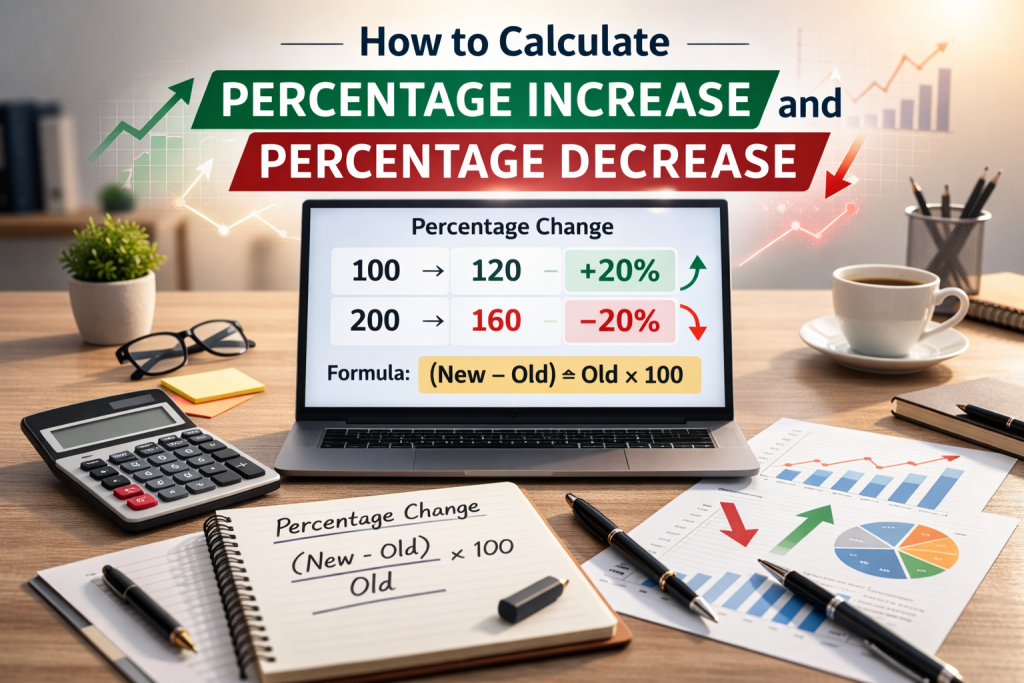
For example, if the CPI was 100 last year and is now 110, it means prices have increased by 10% over that period.
This percentage change represents the inflation rate.
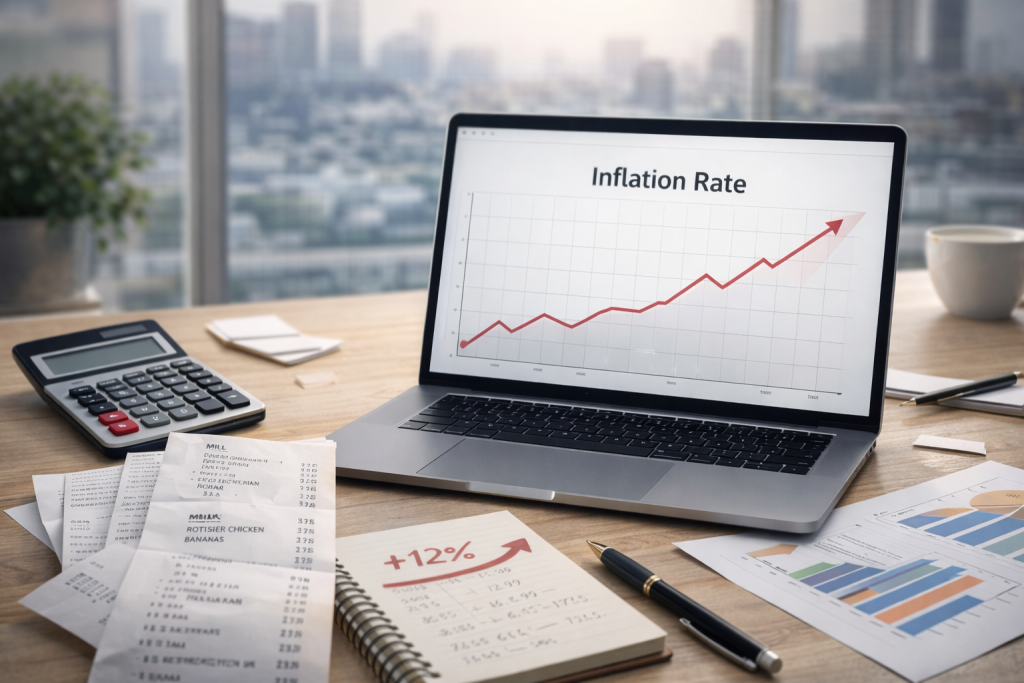
When news reports say “inflation is 12% this year,” they are referring to the percentage increase in the overall price level compared to last year.
Understanding how inflation is measured helps you see that it is not just about one product becoming expensive. It reflects changes across many areas of the economy.
Next, let’s look at how inflation affects your everyday financial life.
How Inflation Affects Your Everyday Life
Inflation may sound like a technical economic term, but it directly affects your daily life.
1. Your Savings Lose Value
If you keep money in cash and inflation is high, the value of that money decreases over time.
For example, if you save 500,000 today and inflation is 10% per year, the purchasing power of that money will be lower next year. You may not be able to buy the same amount of goods with it.
This is why many people look for investments that grow faster than inflation.
2. Your Salary May Not Keep Up
If your income does not increase at the same rate as inflation, your real income falls.
For example:
If your salary increases by 5% but inflation is 12%, you are actually losing purchasing power.
This is where understanding percentage increase becomes important. You need to compare your salary growth to the inflation rate to know if you are truly gaining.
3. Prices of Goods and Services Rise
Food, rent, fuel, school fees, and transportation can all become more expensive during inflation.
If inflation continues for a long period, the cost of living increases significantly.
4. Loans and Interest Rates Change
When inflation rises, central banks may increase interest rates to control it.
Higher interest rates can make loans more expensive. Monthly repayments on mortgages, business loans, and personal loans may increase.
This directly connects inflation to your borrowing costs.
5. Exchange Rates May Be Affected
Inflation can also influence exchange rates.
If a country experiences high inflation compared to other countries, its currency may weaken. This can make imports more expensive and affect international transactions.
Understanding inflation helps you make better decisions about saving, spending, investing, and borrowing.
Next, let’s explain the relationship between inflation and exchange rates more clearly.
The Relationship Between Inflation and Exchange Rates
Inflation and exchange rates are closely connected. When inflation rises in a country, its currency often weakens compared to other currencies.
Here is why.
If prices are increasing quickly inside a country, the purchasing power of its currency falls. Investors may lose confidence because their money buys less over time. As a result, they may move their funds to countries with lower inflation and more stable economies.
When investors sell a currency, its demand drops. When demand drops, the value of that currency can decline in foreign exchange markets.
For example, if Country A has inflation of 15% while Country B has inflation of 3%, Country A’s currency may weaken over time compared to Country B’s currency.
A weaker currency means:
Imported goods become more expensive
Foreign travel becomes more costly
International payments require more local currency
At the same time, exports from that country may become cheaper for foreign buyers. This can sometimes help local businesses that sell internationally.
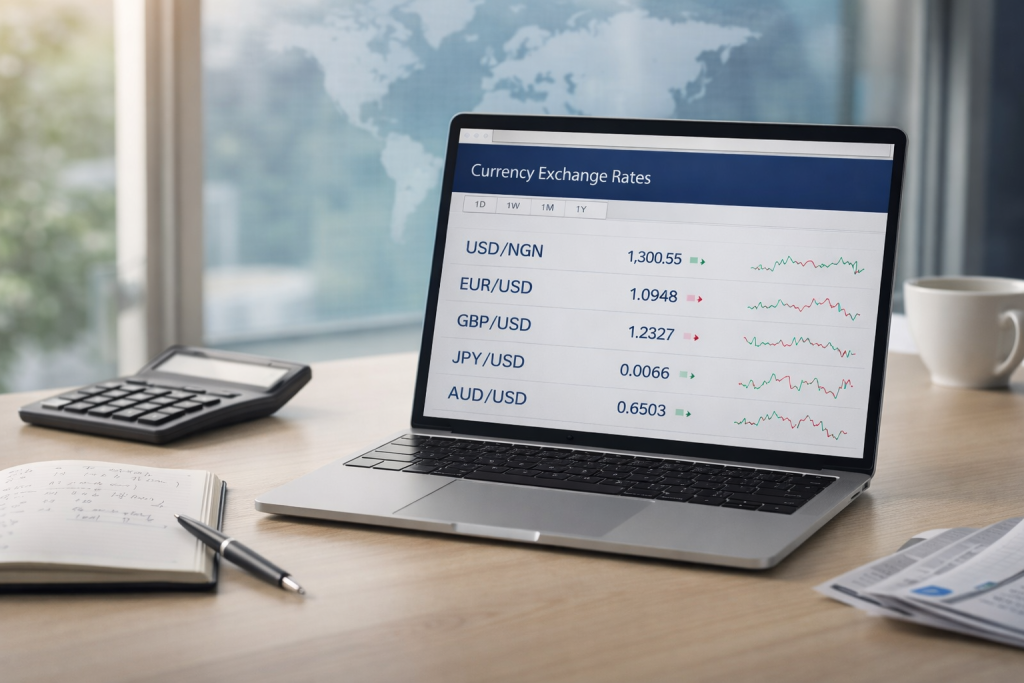
Because inflation influences currency strength, monitoring exchange rates becomes important during high inflation periods. A currency converter helps you track how much your money is worth compared to other currencies in real time.
Next, we will look at how inflation affects loans and interest rates.
How Inflation Affects Loans and Interest Rates
Inflation does not just affect prices in stores. It also affects borrowing and lending.
When inflation rises too quickly, central banks often increase interest rates to slow it down. Higher interest rates make borrowing more expensive. This reduces spending and can help control inflation.
Here is how it affects you.
1. Loan Repayments May Increase
If you have a loan with a variable interest rate, your monthly repayment may go up when interest rates rise.
For example, if you borrowed money at 10% interest and the rate increases to 15%, your repayment amount will increase.
This is why people monitor interest rates carefully during periods of high inflation.
2. Savings May Earn More Interest
When interest rates rise, savings accounts may offer higher returns. This can partly protect your money from losing value due to inflation.
However, if inflation is higher than the interest you earn, your money still loses purchasing power.
For example:
If your savings earn 8% interest but inflation is 12%, your real return is negative. You are still losing value in real terms.
3. Businesses Borrow Less
Higher interest rates make business loans more expensive. When borrowing becomes costly, companies may slow expansion plans, hire fewer workers, or reduce spending.
This can affect economic growth.
Understanding the link between inflation and interest rates helps you make smarter decisions about loans and savings.
Next, we will wrap up this guide with practical steps you can take to protect yourself during inflation.
How to Protect Yourself During Inflation
While you cannot control inflation, you can make smarter financial decisions to reduce its impact on your life.
1. Track Your Expenses
When prices are rising, it becomes more important to know exactly where your money is going. Review your monthly spending and identify areas where you can reduce unnecessary costs.
Small adjustments can help protect your budget.
2. Increase Your Income If Possible
If inflation is high, try to look for ways to increase your earnings. This could mean asking for a salary review, taking on additional freelance work, or learning new skills that increase your earning potential.
A percentage increase in income that matches or exceeds inflation helps protect your purchasing power.
3. Avoid Unnecessary Debt
During high inflation and rising interest rates, borrowing becomes more expensive. Be careful about taking new loans unless absolutely necessary.
Use tools like a loan calculator to understand how interest changes affect your repayment amount.
4. Diversify Your Savings
Keeping all your money in cash during high inflation may reduce its value over time. Some people choose to invest in assets that may grow faster than inflation, depending on their risk tolerance.
Always research carefully before investing.
5. Monitor Exchange Rates
If you earn, send, or receive money internationally, inflation may affect your local currency value. Monitoring exchange rates helps you decide the best time to convert money.
Using a currency converter regularly can help you stay informed.
Final Thoughts on Inflation
Inflation is a natural part of economic life, but when it rises too quickly, it can affect savings, salaries, business costs, and even exchange rates.
Understanding inflation helps you make better financial decisions. Instead of being surprised by rising prices, you can prepare for them.
You now understand:
What inflation is
What causes it
How it is measured
How it affects your money
How it connects to exchange rates and interest rates
When you combine this knowledge with practical tools like a currency converter, percentage calculator, or loan calculator, you gain better control over your financial planning.